Driveways, footpaths, or foundations: Which concrete service do you need?
Not every concreting project starts with a clear service name. Many property owners know they need concrete work, but they are not always sure whether the job falls under a driveway, a footpath, a foundation or something else entirely.
If you are planning work on your property, understanding the purpose of each service can make the next step much easier. The right choice depends on how the area will be used, what it needs to support and how it connects with the rest of the site.
When you need a concrete driveway
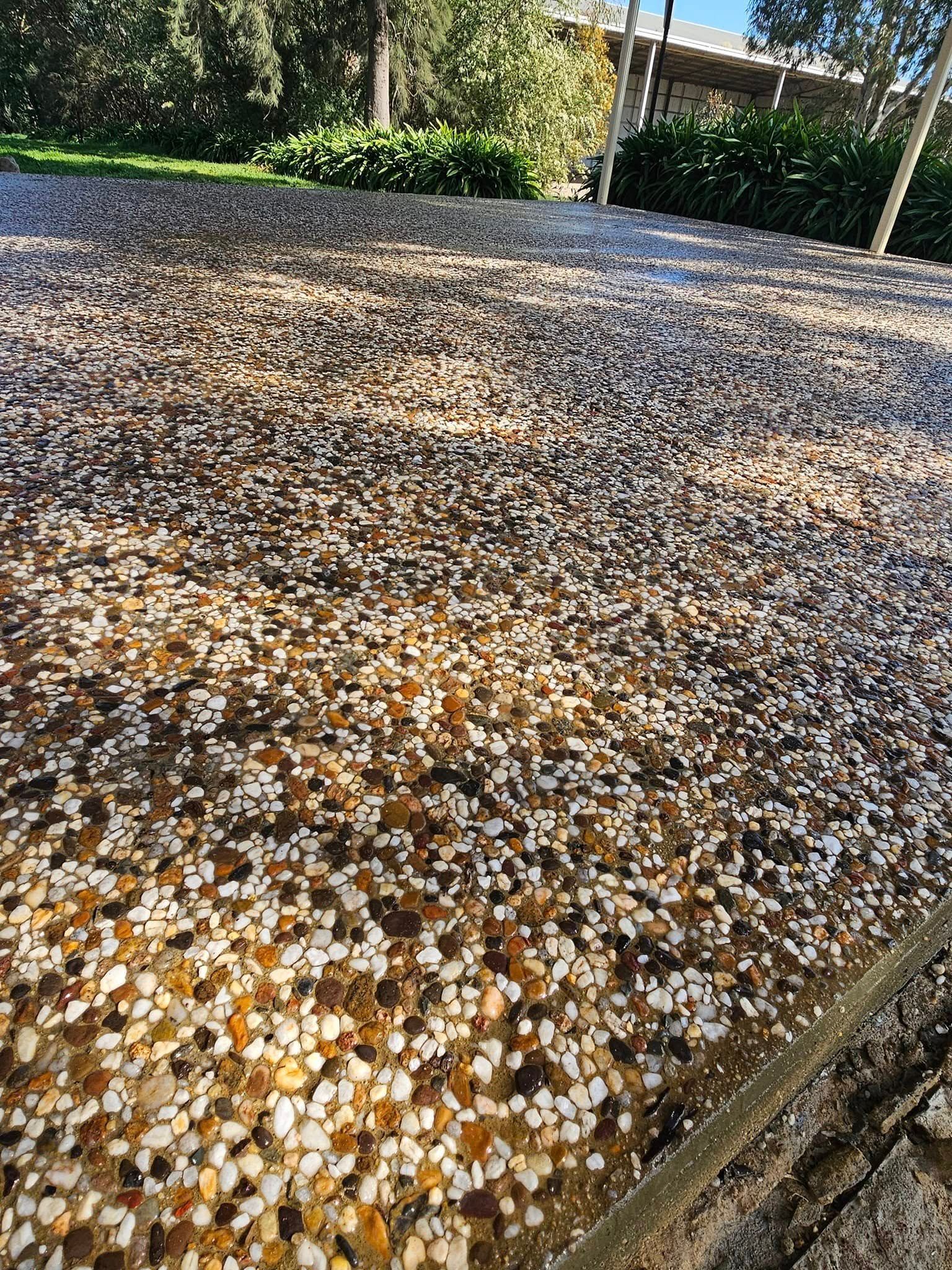
A driveway is usually the right service when the area needs to support vehicle access to a home, shed, workshop or commercial space. Driveways need to be practical, durable and suited to regular traffic, which means layout, finish and use all matter.
If the project involves cars, utes, trailers or other regular vehicle movement, a driveway service is often the starting point. You can learn more about concrete driveways if your main concern is access, presentation and long-term durability.
When you need a concrete footpath
Footpaths are generally the right fit when the goal is safe, practical pedestrian access around a home, garden, commercial building or outdoor space. These projects are less about vehicle traffic and more about movement, connection and ease of use.
A footpath may be the best solution if you need to connect entry points, improve access around the property or create a more practical walkway. In those cases, concrete footpaths are often the most suitable service to explore first.
When you need foundation concreting
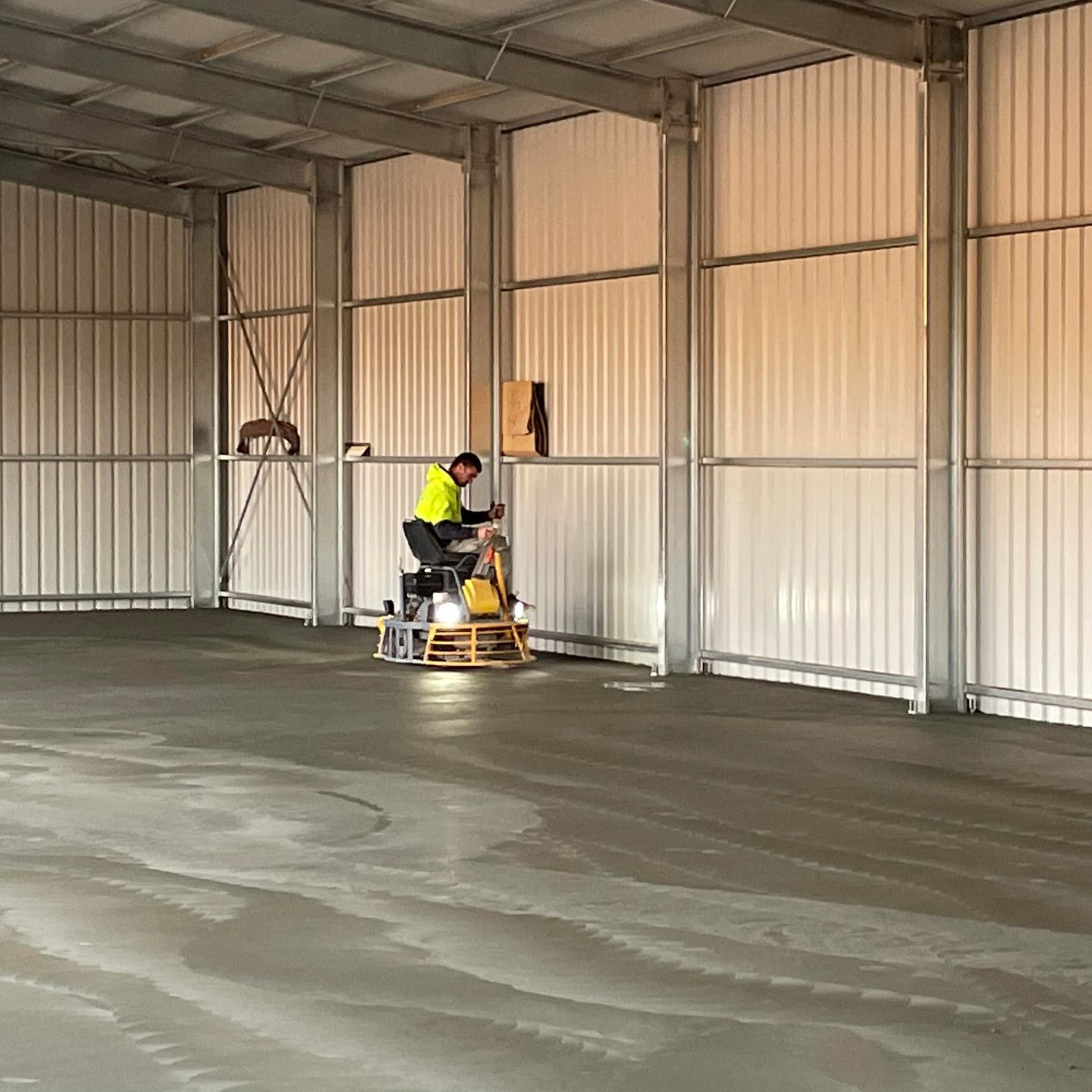
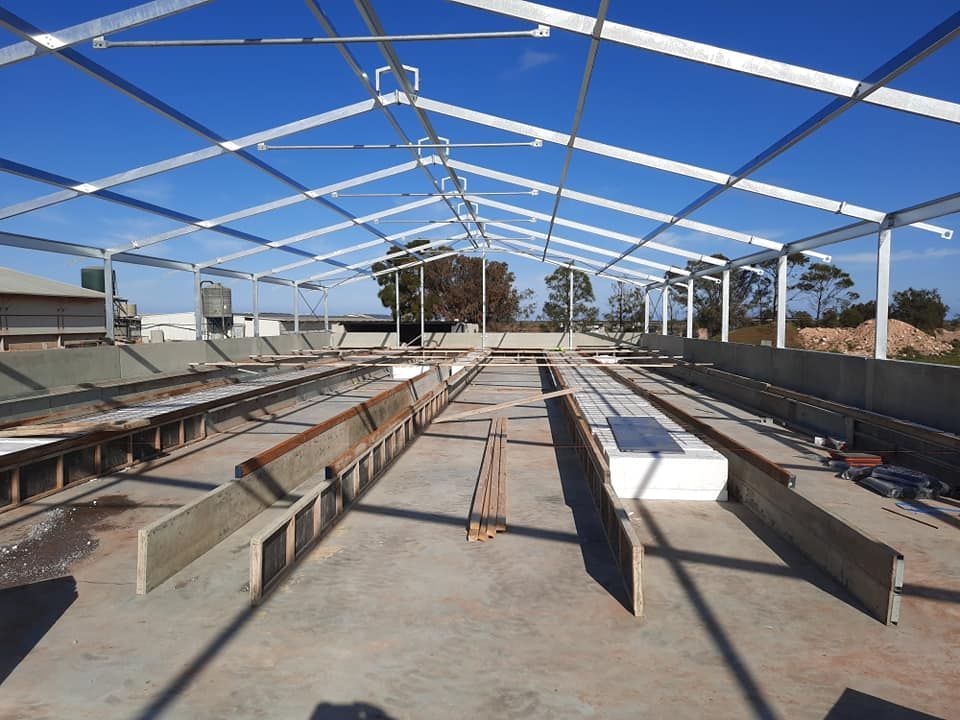
Foundation work is different from surface access work because it is designed to support a structure. If the project involves a shed, building, extension or another constructed element, foundation concreting may be required rather than a general surface slab.
This type of work is based on what the concrete needs to carry and how it supports the overall structure. If that sounds closer to your project, it makes sense to look into foundation concreting rather than treating the job like a standard driveway or footpath.
Some projects involve more than one service
In many cases, a property project does not fit neatly into a single category. A shed build, for example, may involve a slab or foundation, plus access areas that connect to the rest of the site. A new driveway may also need linking paths or adjoining surfaces.
Looking at the property as a whole often leads to a better result. This is especially true when the goal is to improve access, function and layout at the same time rather than treating each surface as an isolated job.
How to work out what your project needs
A good starting point is to ask what the concrete will actually be used for. Will vehicles drive on it? Will people walk on it? Does it need to support a structure? The answer usually points you in the right direction.
It also helps to think about where the concrete sits within the rest of the property. Access, drainage, traffic movement and adjoining surfaces can all influence which service is the best fit.
Talk through the job before making assumptions
If you are unsure which service applies, it is worth getting advice before the project is locked in. Many concreting jobs seem simple at first, but the details around use, load and layout can change the best approach.
If you want help working out the right option, contact our team to discuss your project. We can help you understand whether the job is better suited to a driveway, footpath, foundation or a combination of services.
For general guidance on building and planning requirements in Australia, you can also refer to the Australian Building Codes Board.