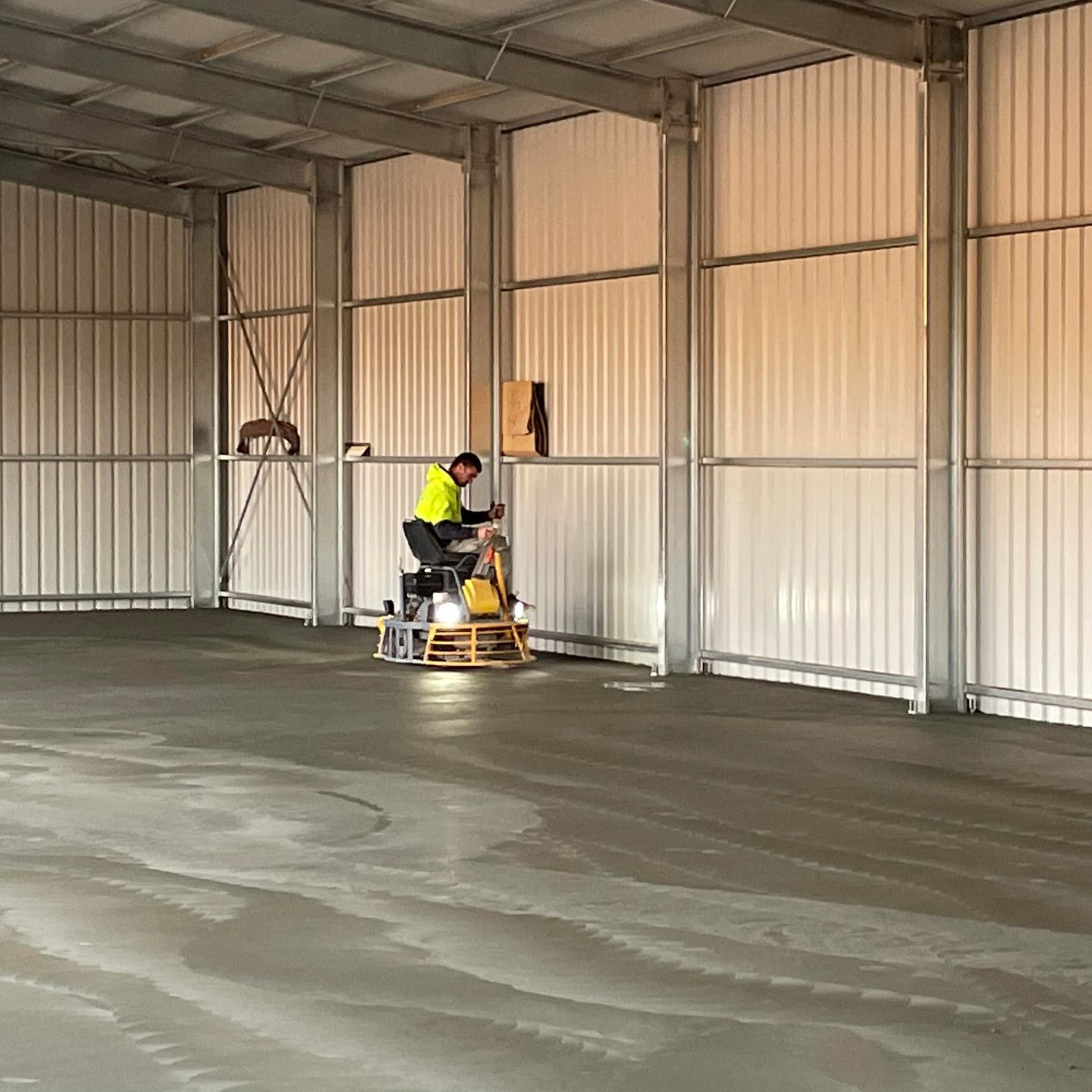
When does a property need new concrete footpaths?
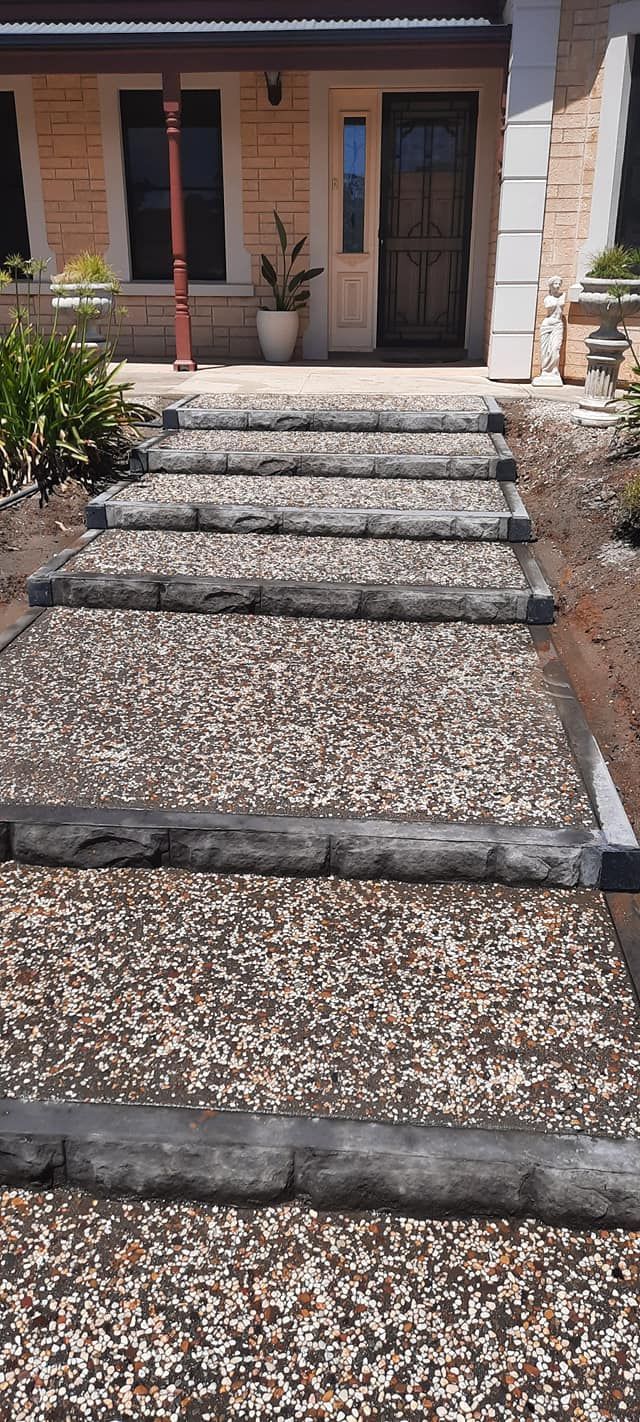
Concrete footpaths often do more than connect one part of a property to another. They help improve access, support day-to-day movement and make outdoor areas easier to use in all kinds of settings. Over time, though, the existing paths around a home, business or site can stop working as well as they should.
In some cases, the issue is obvious, like an old path that no longer suits the layout of the property. In others, it is more about usability, access or the way the outdoor space has changed over time. Knowing when it makes sense to install a new footpath can help you plan practical improvements before small issues turn into bigger ones.
When access around the property no longer works well
A property may need new concrete footpaths when the current layout makes movement awkward, uneven or less practical than it should be. This often happens after renovations, landscaping changes, extensions or updates to the way the space is used.
If people are constantly walking across garden beds, worn ground or uneven surfaces to get from one area to another, that is usually a sign a dedicated path would improve the property. In those situations, concrete footpaths can provide a cleaner and more reliable access solution.
When outdoor areas need safer, more practical movement
Footpaths are often about more than appearance. They can help define walkways, guide movement and make outdoor areas easier to navigate. This is particularly useful around entry points, side access areas, sheds, gardens and commercial buildings.
If a property has informal walking routes rather than clear access paths, a new concrete path can improve day-to-day usability while creating a more organised layout overall.
When a wider property upgrade is being planned
New footpaths are often installed as part of a broader upgrade rather than as a standalone job. If you are already improving the outdoor layout, adding vehicle access or working on adjoining surfaces, it often makes sense to consider footpaths at the same time.
For example, if your project also includes concrete driveways or access areas around a shed, planning the surfaces together can lead to a more consistent and practical result across the whole property.
When the existing surface is no longer suitable
Some properties rely on older paths, loose materials or worn access routes that no longer suit regular use. In those cases, replacing or upgrading the path can improve function and reduce ongoing maintenance.
A new concrete footpath may be the right choice when you want a durable surface that is easier to manage and better suited to the way the property is used now.
When drainage and layout need to be considered together
A footpath should not be looked at in isolation. The layout of the property, surrounding surfaces and water flow all influence how a path should be designed and placed. A good outcome depends on how the path fits into the wider site rather than simply where it looks best.
This is one reason it helps to plan footpaths as part of the broader access layout rather than as an afterthought.
How to decide if a new footpath is the right next step
A good starting point is to look at how people currently move around the property. Are the main routes practical, clear and easy to use? Or are people avoiding the intended access points and creating their own shortcuts?
If movement around the site feels awkward or the current surfaces no longer suit the property, it may be time to consider a new path as part of a more practical layout.
Final thoughts
New concrete footpaths can improve access, make outdoor spaces easier to use and help bring more structure to the layout of a property. The best time to install them is usually when the current access no longer suits the way the site is used or when they can be planned alongside other upgrades.
If you are considering a new path or broader outdoor improvements, you can learn more about our footpath services or contact our team to discuss the next step for your property.
For more general information about construction and planning standards in Australia, you can refer to the Australian Building Codes Board.